Heat pumps are the fastest-growing HVAC technology in the country — and Southern California's mild winters make them particularly well-suited for our region. Here's what you need to know.
You've probably been hearing more about heat pumps lately — from HVAC contractors, from energy efficiency programs, and possibly from your utility company. California has been actively promoting heat pump adoption as part of its clean energy goals. But what exactly is a heat pump, and does it make sense for your home in Temecula, Murrieta, or the Inland Empire?
How a Heat Pump Works
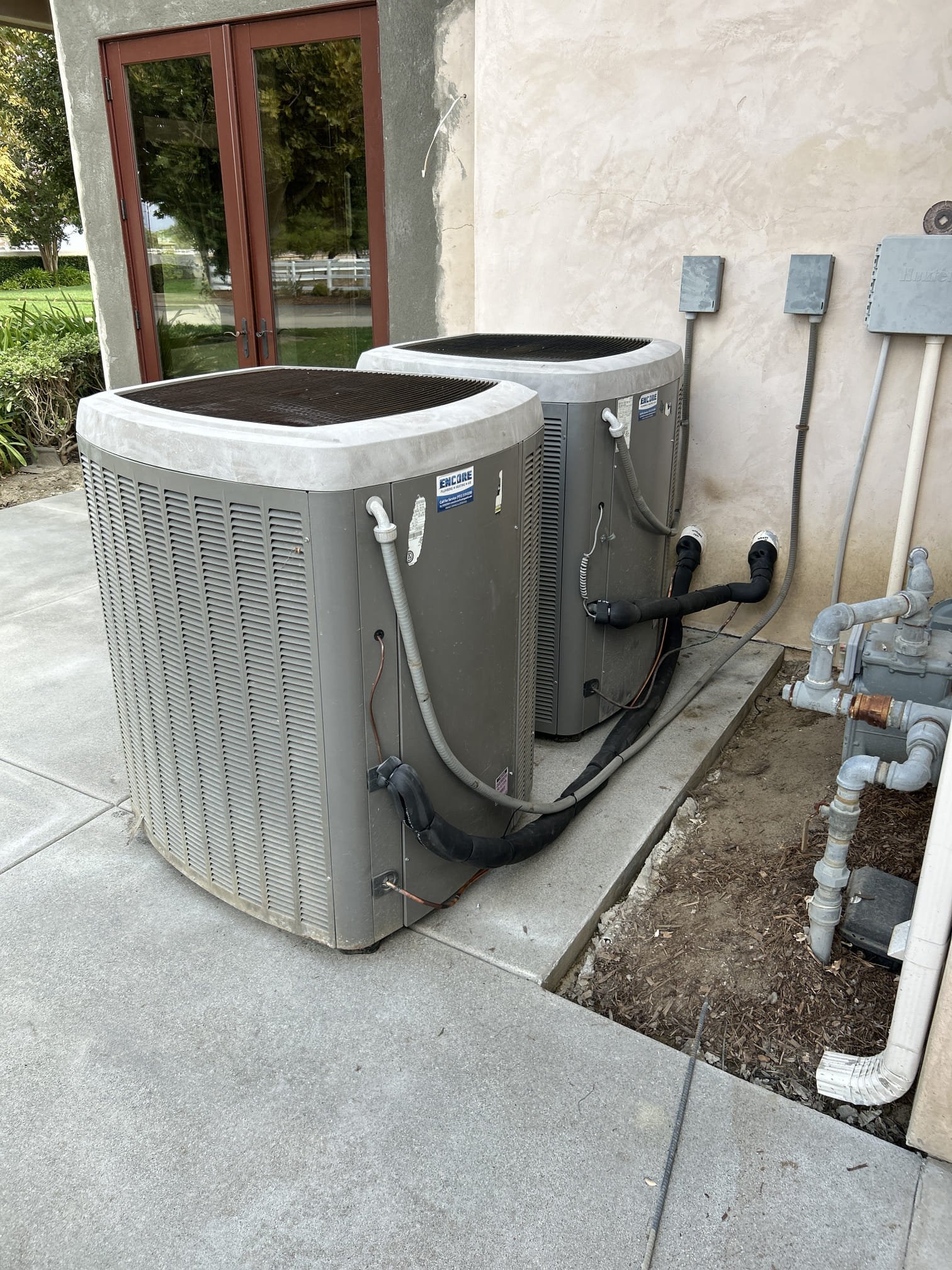
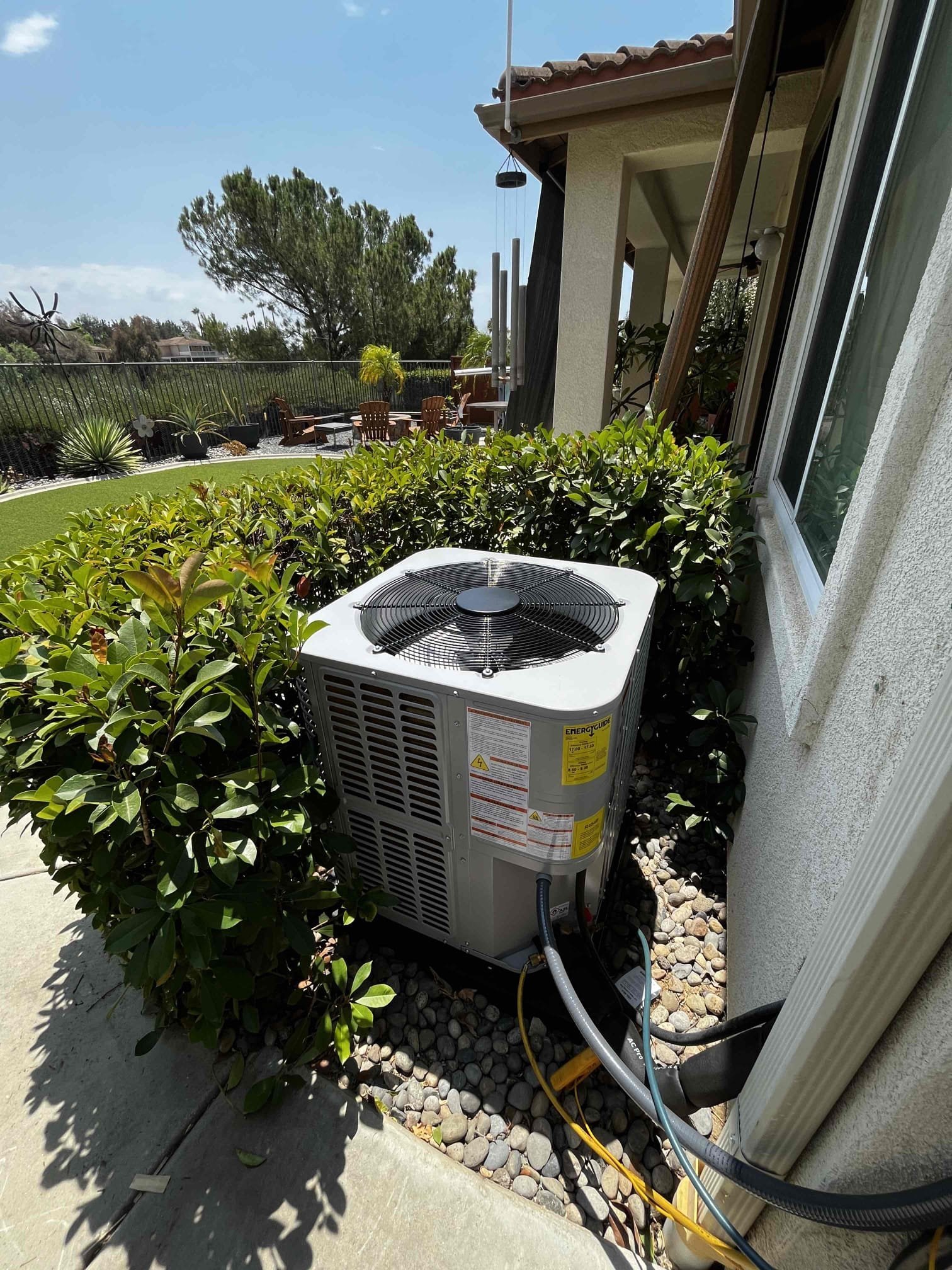
Despite the name, a heat pump doesn't generate heat — it moves it. In summer, it works exactly like a traditional air conditioner, moving heat from inside your home to the outside. In winter, it reverses the process, extracting heat energy from the outdoor air (even cold air contains heat energy) and moving it inside.
This is why heat pumps can be efficient: instead of burning fuel to generate heat, they move heat that already exists. ENERGY STAR explains that an air-source heat pump can deliver up to three times more heat energy to a home than the electrical energy it consumes under appropriate conditions. Actual performance depends on the equipment, installation, home, and weather.
The Southern California Advantage
Heat-pump performance should always be evaluated for the specific home and climate. The U.S. Department of Energy describes heat pumps as an energy-efficient alternative to furnaces and air conditioners in moderate climates, which makes them worth considering for many Southern California homes.
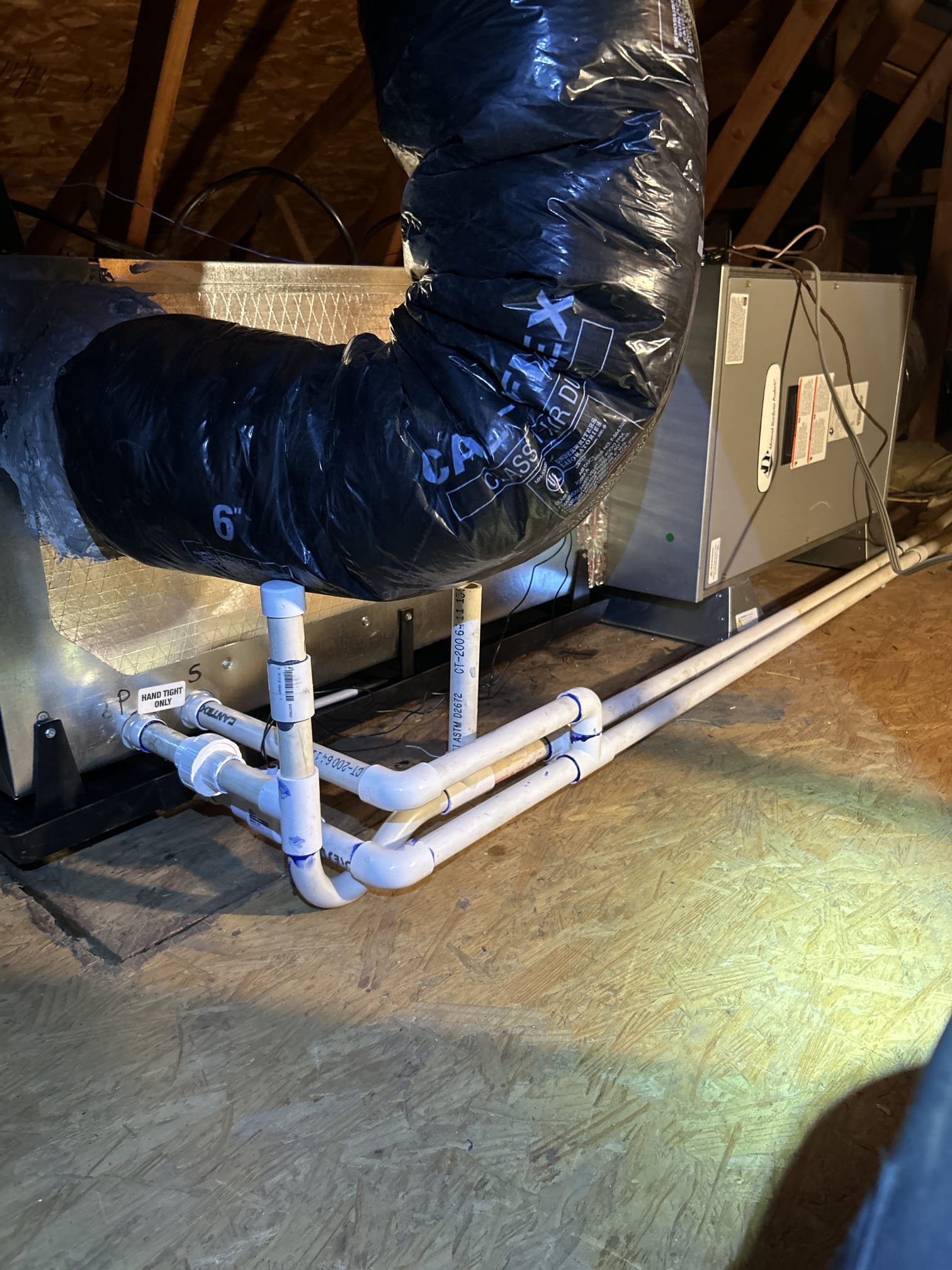
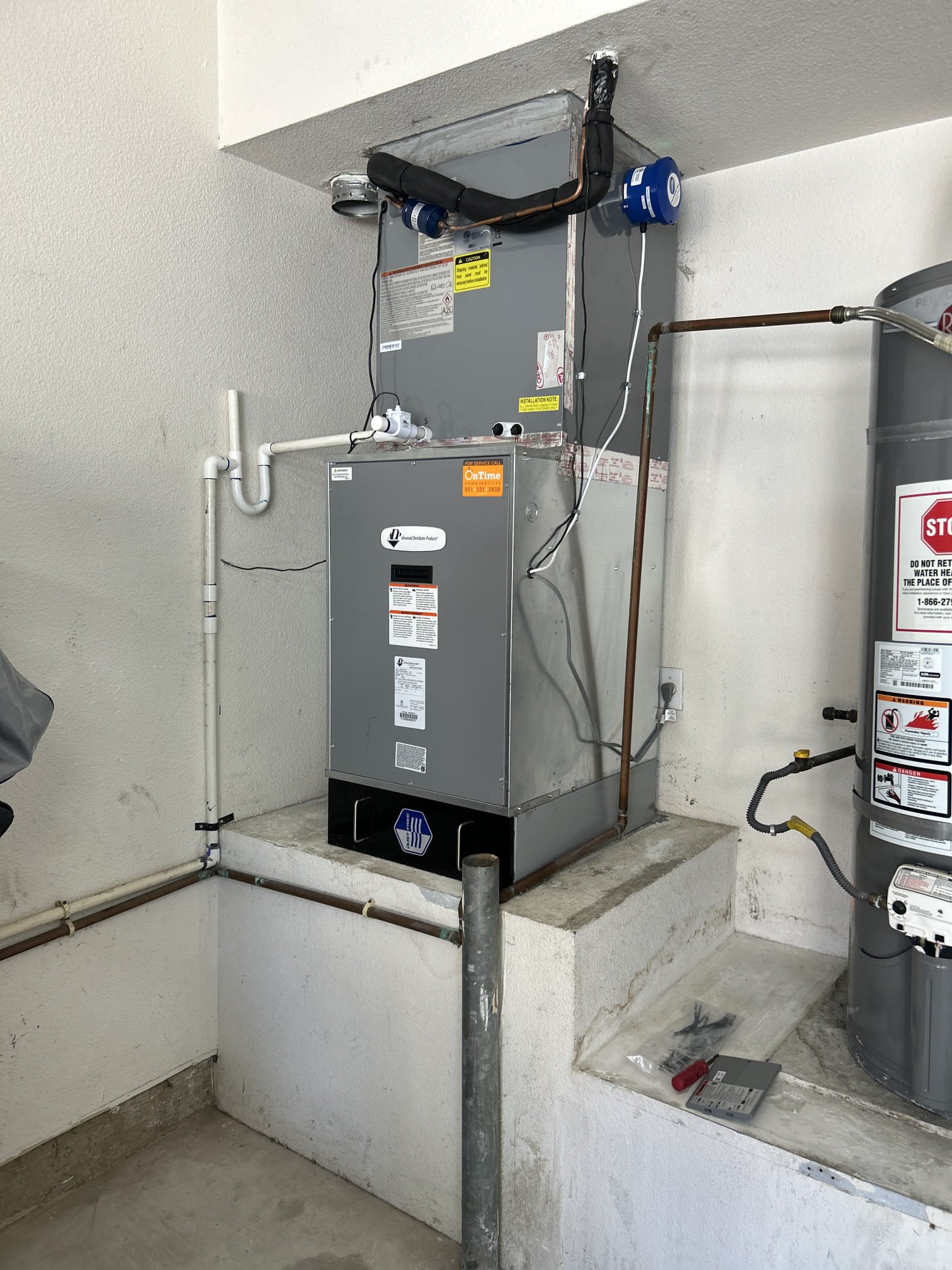
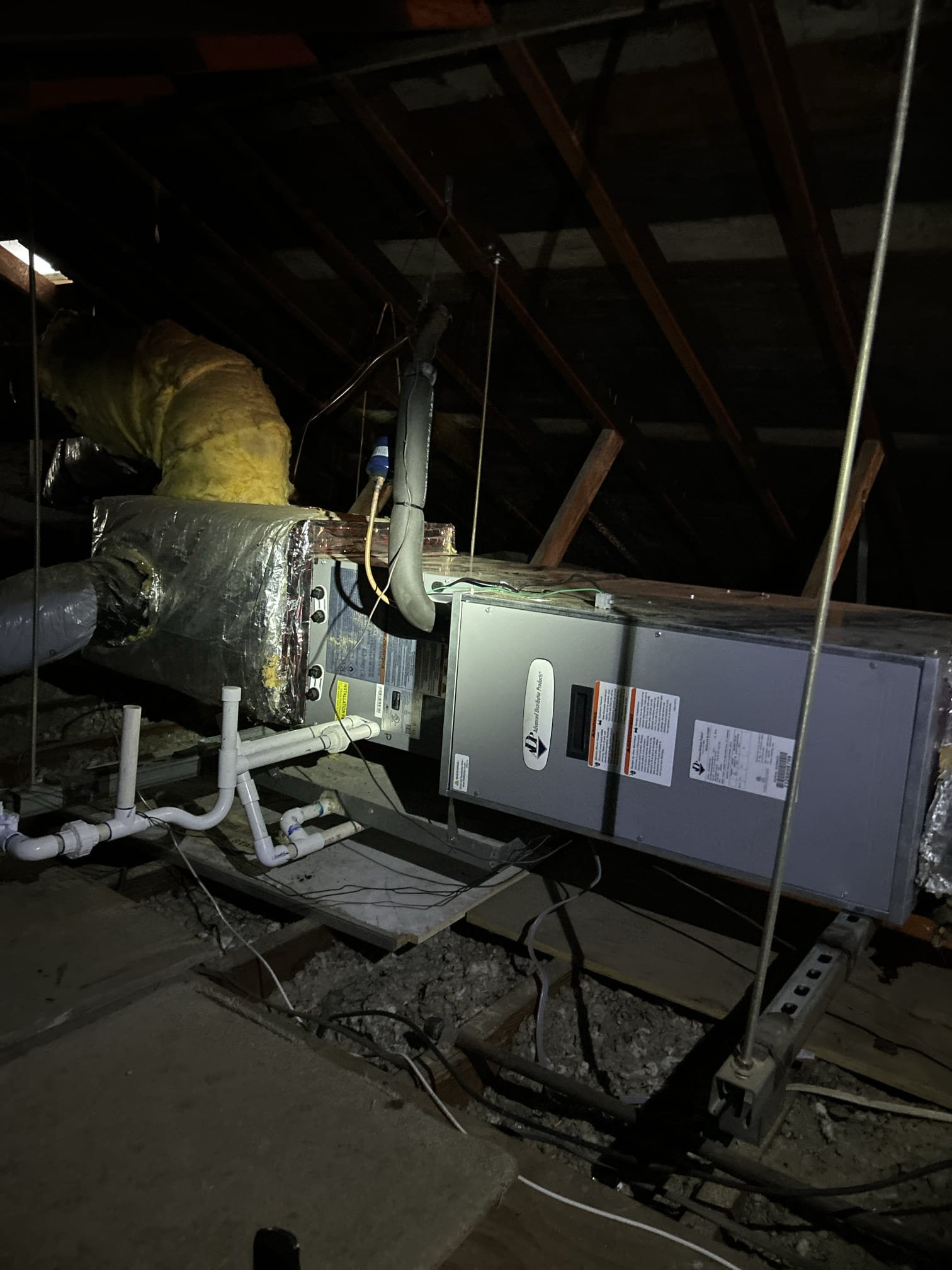
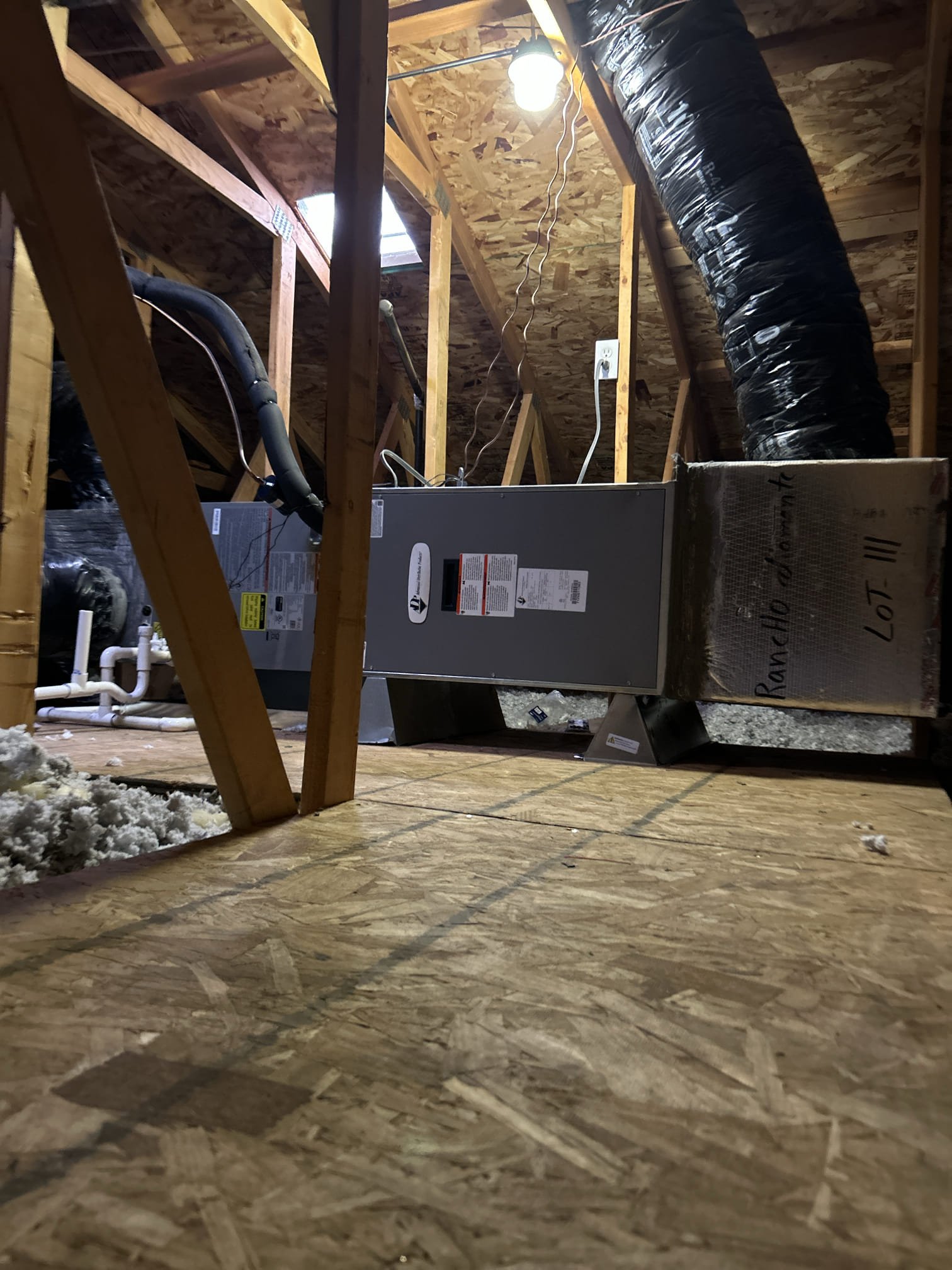
For a ducted home, a heat pump may use existing ductwork; for an addition, converted garage, or home without ducts, a ductless mini-split may be a practical alternative. Proper sizing and installation matter just as much as equipment selection.
Heat Pump vs. Traditional HVAC: The Cost Comparison
Upfront and operating costs vary by equipment, electrical work, duct condition, insulation, utility rates, and available incentives. The California Energy Commission says that replacing older conventional equipment with heat pumps can improve energy efficiency and, in many cases, reduce energy bills. An in-home evaluation is the right way to compare the options for a particular home.
Homes using electric resistance heat, propane, or oil can see particularly strong efficiency gains, but there is no single savings estimate that fits every property. A qualified contractor should verify the heating and cooling load before recommending equipment.
Is a Heat Pump Right for Your Home?
Heat pumps may be a good fit when you are replacing aging heating and cooling equipment, considering a ductless solution, or evaluating a lower-combustion option. Ask for a whole-home assessment that considers load calculations, duct condition, electrical capacity, comfort preferences, equipment eligibility, and current incentive requirements.
Our technicians can walk you through the options and help you compare a heat pump with traditional systems for your specific home. Call us at (951) 277-6895 for a consultation in Temecula or Murrieta. You can also explore our AC installation and furnace installation options.